

You all were quite busy this month! Let's see all the great work...
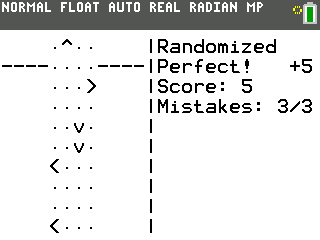
- Basic Basic Revolution Classic - A DDR clone for the TI84+CE: StephenM has started porting Dance Dance Revolution to the CE. Instead of stomping on the calculator though, StephenM has mapped the controls to the arrow keys which are intended to be pressed with fingers.
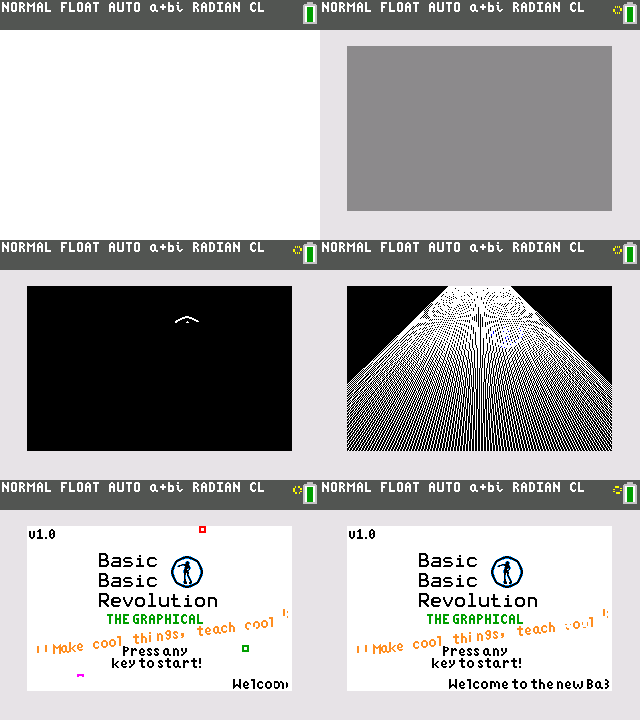
- Basic Basic Revolution: The Graphical: StephenM has started porting Dance Dance Revolution to the CE. Wait, didn't I just say that? Well instead of just using the home screen, this version is a full color port on the graph screen!
- BOS (OS+ROM) for CEmu: beckadamtheinventor after a short, 3 year break beck has published a new version of their custom OS! There's tons of major system changes so go check out the topic for a comprehensive list.
- CryptX | Application-Level Cryptography for the TI-84+ CE: After a 3 year endeavor, ACagliano has feature completed their cryptography library! For anyone looking to create a secure calculator application, give the comprehensive documentation a look!
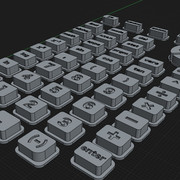
- Custom Calculator Keys (TI-84 Plus CE): beetlepaws thought the CE's keys were too difficult to read in the dark (something I empathize with) and decided to create entirely custom, 3d printed keys to coat in glow-in-the dark compound! They've even shared the 3D models they created. Go give it a look!
- Express BASIC - a Tiny BASIC interpreter in C: Not to be confused with TI-Basic, lucidapogee has continued work on their BASIC interpreter by adding hexadecimal support, improving negation handling, more examples, and plenty more features. Go give it a try!M
- Gimme 5!: A word-guessing game [TI-84 Plus CE]: Captain Calc has improved their Wordle-like game (does anyone still remember Wordle?) by adding a new Rush gameplay mode! Even if it's no longer hip with the kids it's still a really fun game.

- Illusiat 13: The Final Chapter revival n other series stuff: DJ Omnimaga is back to working on their RPG for the 83+ after a brief musical break. They've updated the save system, significantly reduced the size of the program. Go see the screenshot in the first post!
- lwIP Library with ECM/NCM Drivers for the TI-84+ CE: This month ACagliano struggled with their library that add networking capabilities to the CE. Despite the difficulties, they persevered and got NCM stable! Go visit the topic for details about it!
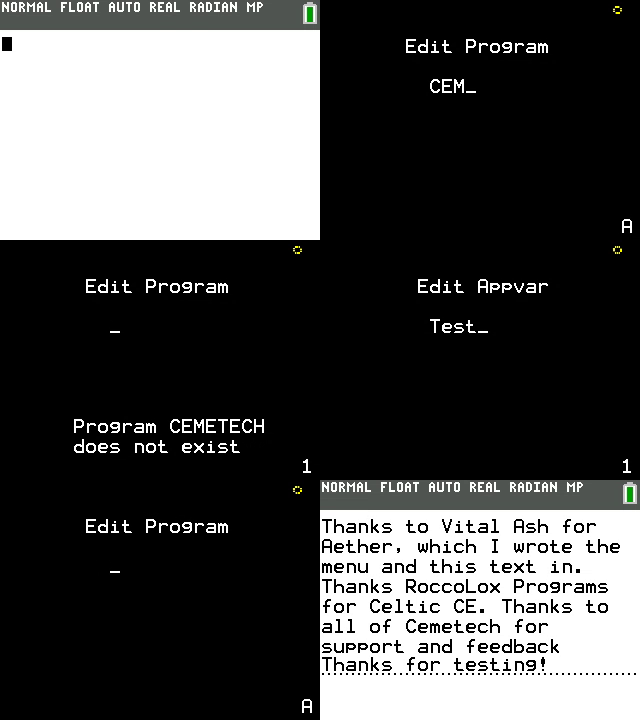
- PiEditor - A program editor using Celtic CE: pi644721 has made a lot of progress in just a few weeks. Just to name a few features they've streamlined the menus for program and appvar input, improved the cursor and optimized the keyboard input.
- A plane simulator for the TI-84 Plus C(S)E: StephenM has posted their flight simulator flying! There's even a pre-release you can download and try by visiting their profile.

- Sans Bossfight (TI-84+CE): ThePinkHacker has been porting a major boss fight from Undertale to the CE! They've made the graphics and already ported a lot of the mechanics. There's tons of animations so go visit the topic!

- Sonic 2 CE: A port of 8-bit Sonic 2 for the TI-84+ CE (WIP): grubbycoder has created a very detailed port of the entire Sonic 2 game! A release was published so go dash over to the download page and give it a try!

- [CE] Starlight Conquest - inspired by Dune & StarCraft: mid has made some progress on their RTS. More graphic entities per frame and some gameplay mechanics implemented. Lots of effort has gone into diagnosing frame rate and screen tearing.

- Super Smash Bros. CE: What's better than being with friends? Beating your friends at smash! theflamingninja21 is working on making that happen on your very own TI-84 Plus CE! This month they've created a better knockback system.

- TI-Boy CE Progress Thread: calc84maniac has continued to improve the accuracy of their GameBoy (Color) emulator. They've mostly been working on behind-the-scenes code which will aid future development. Future features might include cheat code support!
- TI-Wars: linkjt9 is working on a flight simulator in Basic for the TI-84 Plus CE and already published a release! Go try it out!
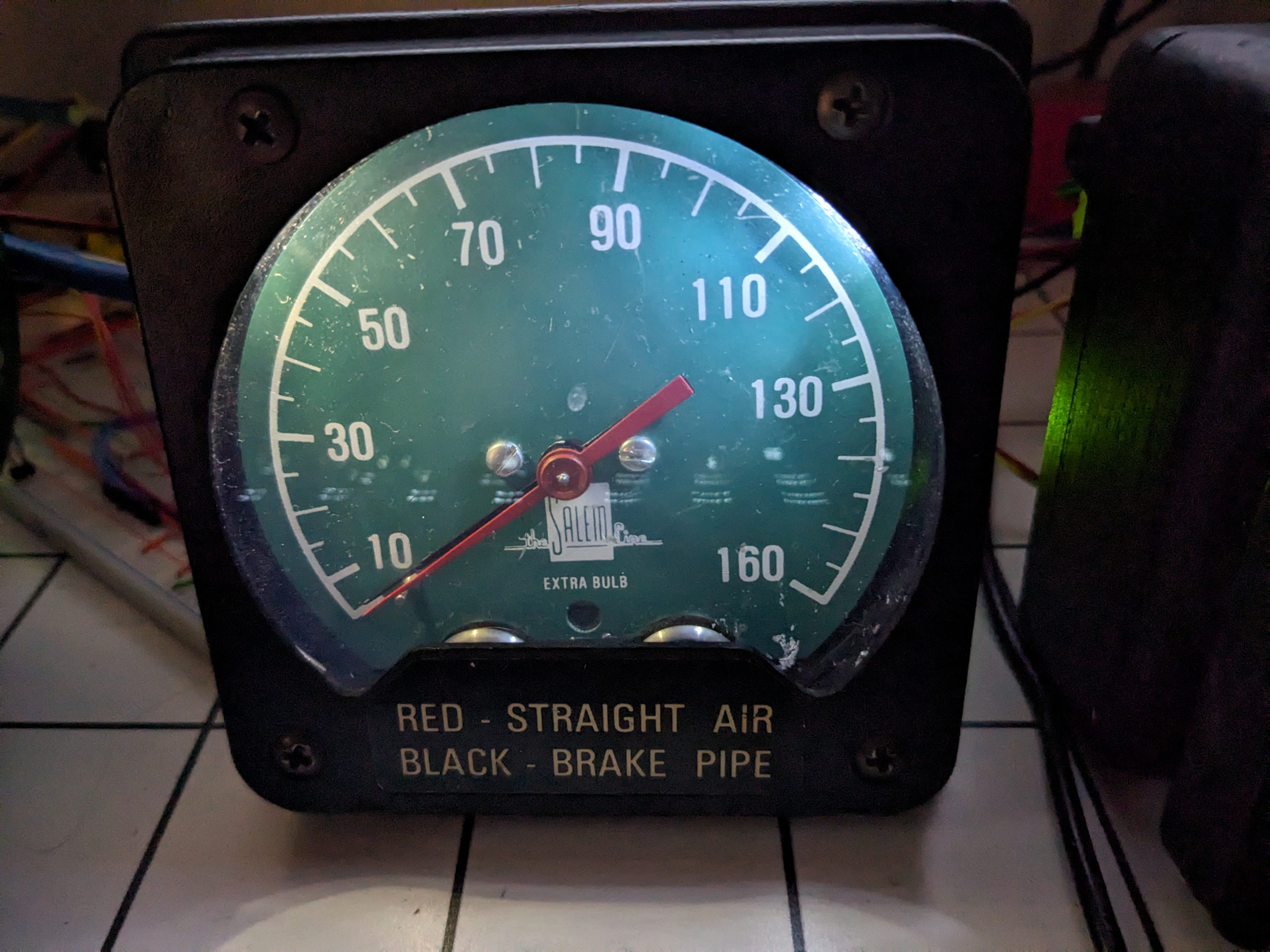
- Train Simulator Controller: KermMartian may not be able to afford a real train, but that doesn't mean he can't create an immersive train simulator from the comfort of his own home! This month he's adapting a real train air pressure gauge to work with Train Simulator. The post is thoroughly documented with plenty of sweet pictures so go visit the thread!
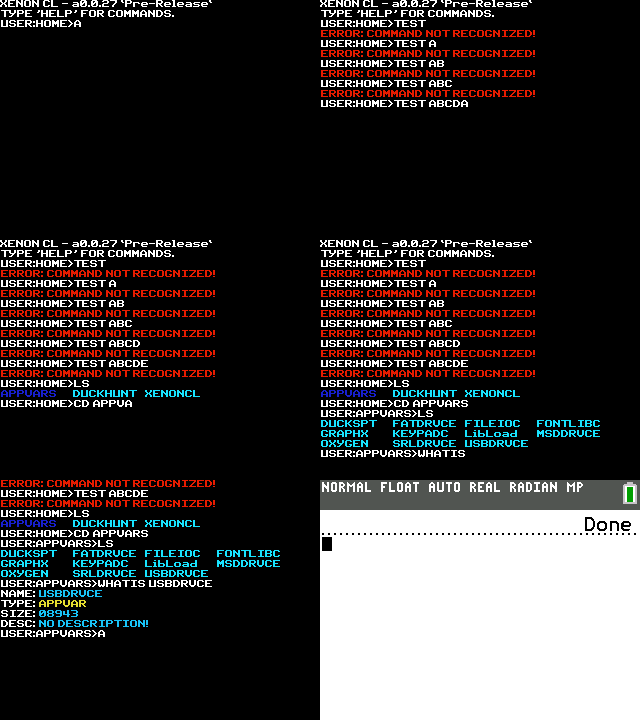
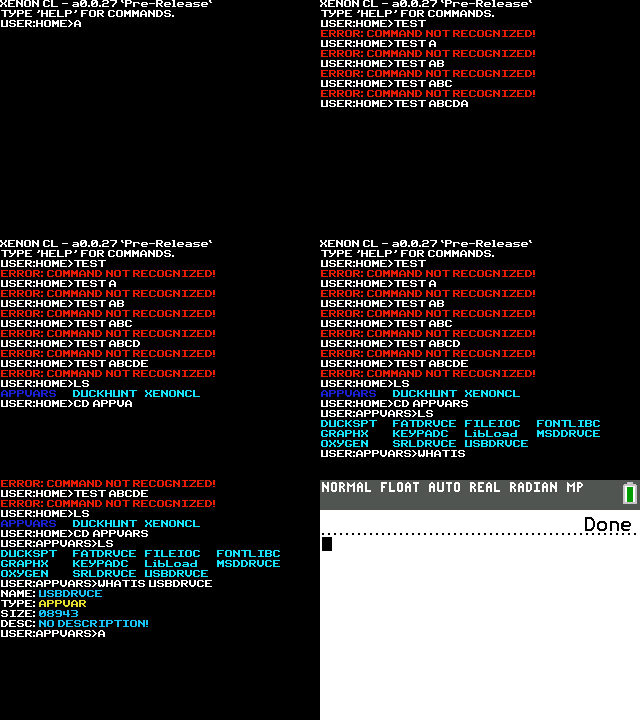
- Xenon Development [C]: Alvajoy123 made a quick update to command line aspect of their shell for the TI-84 Plus CE. This month they've updated the cursor to reflect what type of character you're about to input and history is now stored!
- Yet Another Minecraft: TI-84 Plus CE Edition: jasper7474 needs some help on optimizing the RAM usage of their Minecraft port. The whole code and a pre-release is on their github so go check it out!
Wow, that was a lot of projects with tons of amazing progress! Be sure to vote for your favorite completed project in the poll!
Permalink
It's that time again! Let's look at what people on Cemetech were up to during the month of February.
- A plane simulator for the TI-84 Plus C(S)E: StephenM has begun work on a plane simulator game in TI-Basic. It's still in the early stages, but Stephen plans to give it semi-3d graphics and have custom maps. Notably, he intends to make sure it works well on both the TI-84 Plus C Silver Edition and TI-84 Plus CE.
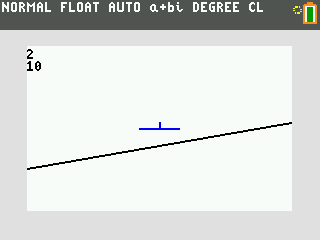
- BetterFinanceCE: hummusman is working on a finance program for the TI 84+ CE. It will include several useful calculations, such as simple and compound interest. Go show them some support!
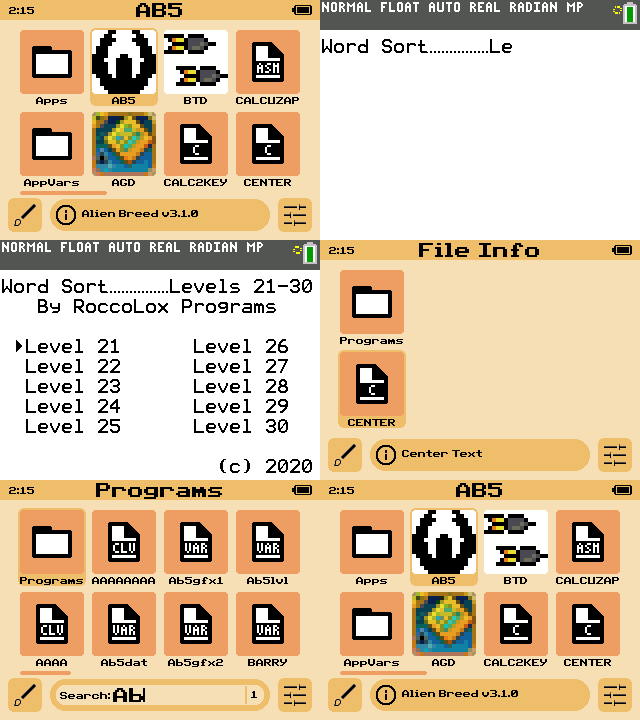
- CEaShell: A Shell for the TI-84+ CE: RoccoLox Programs and TIny_Hacker have been hard at work preparing for a new release of their shell! This month, they have added features like file searching, icons + descriptions + file sizes next to a selected program or app, and they also plan to offer a french translation of the shell upon release as well. Be sure to check it out!
- Express BASIC - a Tiny BASIC interpreter in C: lucidapogee has continued work on a Tiny BASIC interpreter for Windows computers written in C. It features a number of routines, including some useful graphics, which can be drawn to the console directly!
- lwIP Library with CDC-ECM for the TI-84+ CE: ACagliano is working on a version of the open-source lwIP networking stack for low-resource devices for the TI-84 Plus CE, along with a CDC-ECM driver to support computer and router connection! Here is a screenshot that shows it in action:

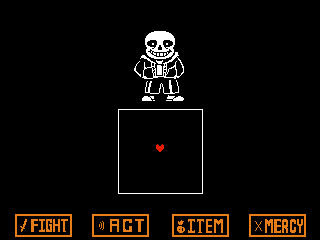
- Sans Bossfight (TI-84+CE): This month, ThePinkHacker has been working to recreate the Sans Bossfight (from Undertale) in ez80 assembly. Be sure to show them some support!
- Sonic 2 CE: A port of 8-bit Sonic 2 for the TI-84+ CE (WIP): grubbycoder has announced that their Sonic game now runs at an impressive 30-45 FPS, thanks to an optimization with the collision data. Check it out!


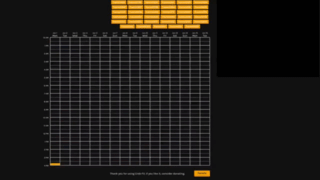
- Spreedsheets CE / Excel CE: Invalid_Jake has announced that they are working on a spreadsheet app in Celtic CE. The goal is to have fun and learn first, and create a useful tool second, so they're not planning to port this to C or assembly. However, they have solicited feature ideas from the community, so please add any you have in the thread!
- TICraft - Another Minecraft clone for the TI 84 Plus CE: Unlike many other Minecraft clones for the CE, which tend to be 2D or orthographic 3D, Loganius has announced work on a perspective-correct, 3D-rendered Minecraft clone! Because it is properly rendered in 3D, it is quite slow, but is still playable and looks amazing. You don't want to miss this!

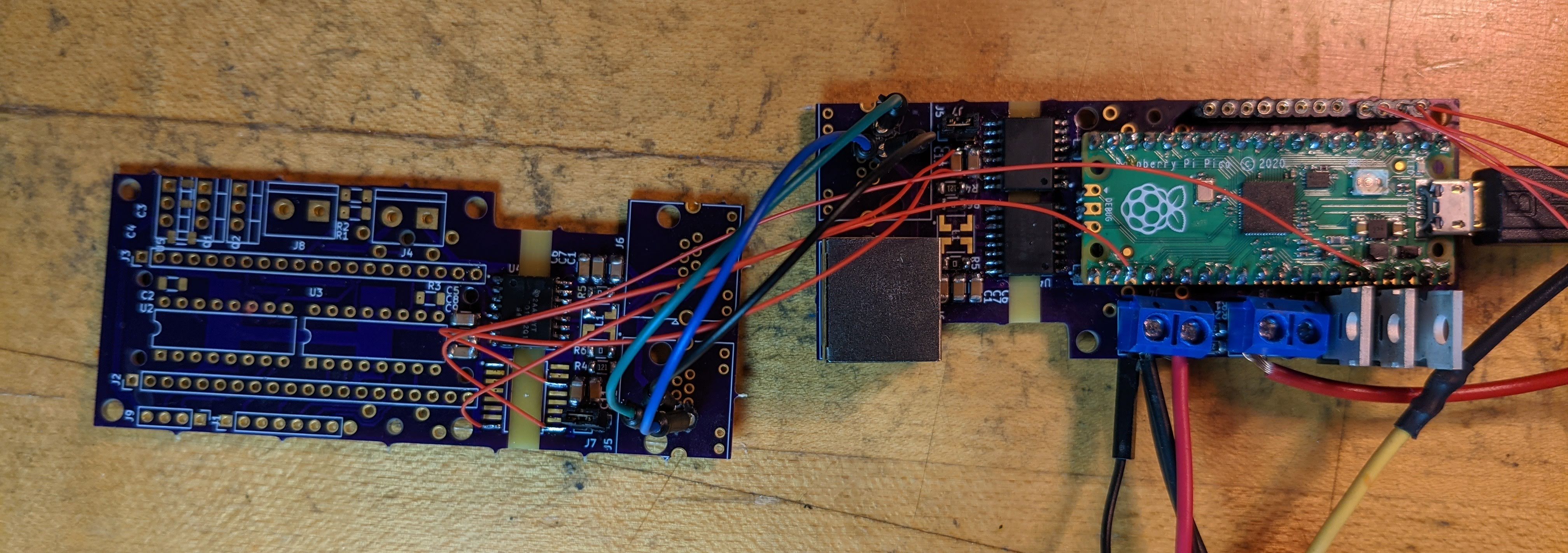
- Train Simulator Controller: KermMartian has continued work on an incredibly realistic controller system and dashboard for the game "Train Simulator", one of his favorite video games. This month, as he catches up on documenting the project, Kerm posted an update detailing the CAN bus controller that will power every instrument and control. He opted to use the Raspberry Pi Pico as the microcontroller, and now has a prototype for controlling multiple different bits of hardware.
- Xenon Development [C]: Alvajoy123 has added a character indicator and history to their impressive and steadily evolving shell for the TI-84 Plus CE.
- Yet Another Minecraft: TI-84 Plus CE Edition: It has been a busy month for Minecraft ports to graphing calculators! jasper7474 has announced work on yet another Minecraft clone for the CE, this one being 2D and offering many features such as an extensive creative inventory, a hotbar, a 2-layer world system, and more. Be sure to show them some support!

As there were no completed projects this month, there will be no poll. We look forward to seeing you all in the next article!
Permalink
It's time for the first Projects of the Month article in 2024! Cemetech members were certainly busy this month, and there are already a number of great projects for you to try. As always, remember to vote for your favorite project completed in January in the poll, and without further ado, here we go!
- AnotherWorldCE: Port of the classic 16-bit game to TI84+CE: Zaalane has improved savestates in his port of Another World, which no longer require any user RAM. This gives them a lot more stability and should rule out any issues with failing to save.
- Bad Apple on Crab Fit: commandblockguy has once again found another thing to play the Bad Apple animation on, this time on an event scheduling planner called Crab Fit. For those who don't remember, he previously managed to do this on a Google doc using the comment feature. There's a longer video of the impressive feat in the topic, so be sure to check it out yourself!
- CalcText BASIC, a script to simplify text programs: reptile23 has continued work on their project, which aims to make creating text programs in TI-BASIC easier. This month, they added a custom tag / trigger system, multiple statements per line using backticks, and a tag that will run its contents at the beginning of each new line.
- CARDoK!L: Randomized Card Wonder: ryanconmartians has begun working on a card game for the TI-84 Plus CE, where you must use your deck to fight against your opponent.
- CE Automated Testing Framework: Captain Calc made a utility which can make automated testing simpler for C++ projects using the CE C toolchain. You can create a test JSON, which the Python script will use to build and then run the test with cemu-autotester.
- CE HD Picture converter (for Web, in Rust): Tari has corrected a bug in his web version of TLM's picture converter, along with a few other minor changes.
- CEaShell: A Shell for the TI-84+ CE: RoccoLox Programs and TIny_Hacker continued work on the full rewrite of their shell, this month adding integration with HexaEdit, correcting an issue with going to errors when running TI-BASIC programs, and a fast alpha scrolling feature for the TI-OS editor, inspired by Doors CSE 8.

- Creating a Hybrid Basic OS for all of my games: tibasicprogrammernoobie1 has begun working on a program to conveniently view and play the games they create on their TI-84 Plus. They're still in the beginning stages of the project, so head over to the topic to show your support!
- Gimme 5!: A word-guessing game [TI-84 Plus CE]: Captain Calc has created a new version of their word-guessing game, featuring a brand new, well-stylized interface. A pre-release version is already available in the archives if you're interested in checking it out yourself!

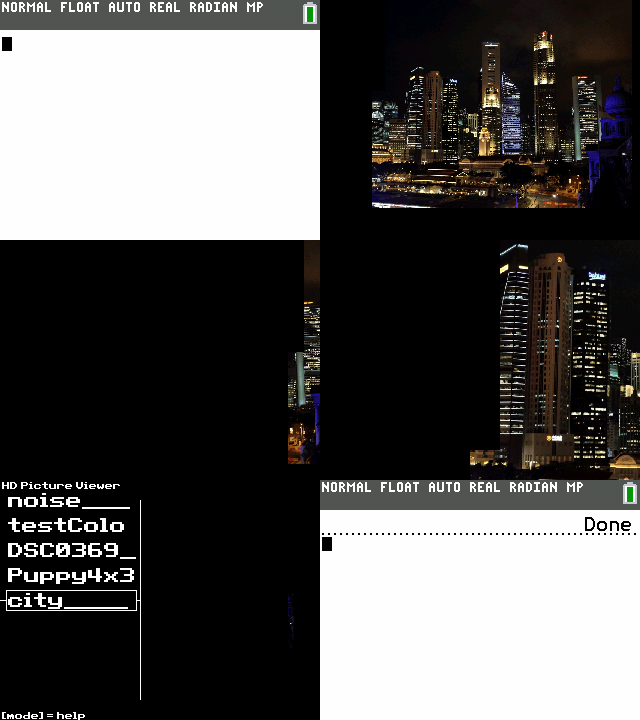
- HD Picture Viewer [C] [TI-84 Plus CE]: TheLastMillennial has finished the second major version of his picture viewer. This new version is more stable, easier to use, and much improved compared to the last version. He also has a few ideas for future updates, including possible 16bpp or GIF support.
- HexaEdit CE: On-calc hex editor: Captain Calc was busy this month, and he also published a new version of HexaEdit which fixes a bug and has a slightly changed GUI. Be sure to check it out!

- Illusiat 13: The Final Chapter revival: Dream of Omnimaga has revisited an old project from 2009, making a number of improvements including save file archiving, DCS icon, balancing, and more! He's known for making impressive games in TI-BASIC, so it's definitely worth taking a look!
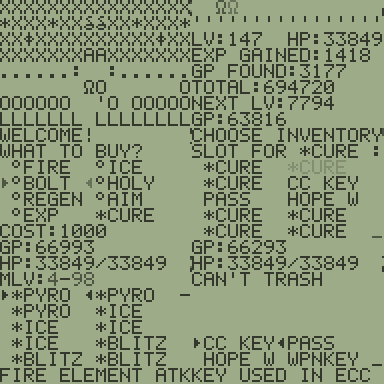
- lwIP Library with CDC-ECM for the TI-84+ CE: ACagliano is working on a version of the lwIP for the TI-84 Plus CE, along with a CDC-ECM driver to support computer and router connection.
- Particle System in C++ for the TI-84 Plus CE: RedSpacePanda has been working on a flexible, performant particle system for the TI-84 Plus CE, written in C++. There are a number of use-cases for such a tool, especially in games. Be sure to keep an eye on it for a public version you can use in the future!

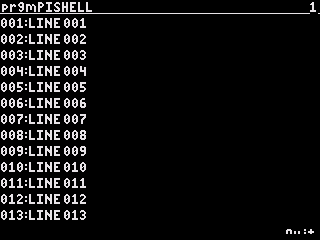
- PiEditor - an alternative program editor: pi644721 has been creating an editor for TI-BASIC programs, written in TI-BASIC using the Celtic CE library. The editor currently has a number of features you can expect, along with the added bonus of being able to display more lines at once than the OS's editor, since it uses a smaller font.
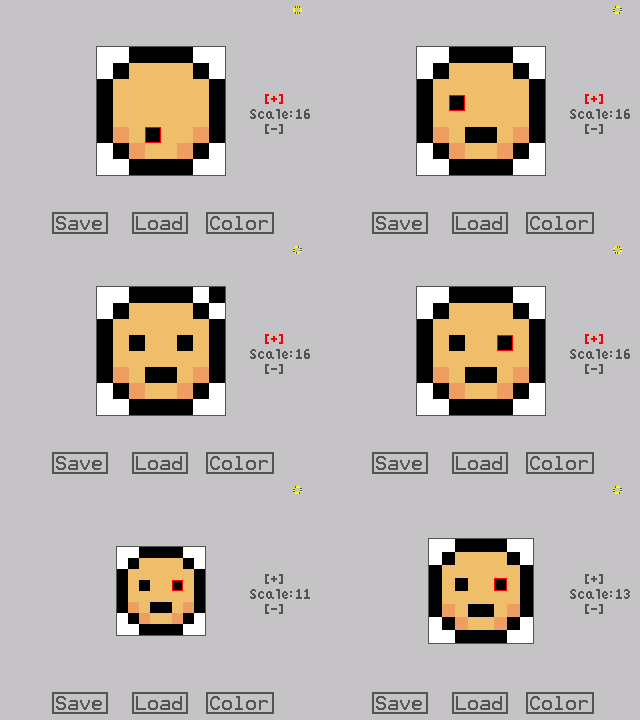
- Sonic 2 CE: A port of 8-bit Sonic 2 for the TI-84+ CE (WIP): grubbycoder has continued fixing bugs in their Sonic 2 port, and has managed to get tilemap scrolling working! There's still more that needs to be done, but the project continues to feature impressive progress, so be sure to take a look yourself!

- Speedread... 2: ryanconmartians has teased a new sequel for his Speedreading game. There's not much to see yet, but keep an eye out for future updates!
- Spriter, a TI-BASIC sprite / icon editor for the TI-84+ CE: TIny_Hacker has published a new version of his TI-BASIC sprite editor, which includes bug fixes, an import feature, and a more visible cursor along with other accessibility features.
- tivars_hexfiend_templates Development Thread: LogicalJoe has finished the core functionality of his templates for the macOS hex editor, HexFiend. Some recent changes include greater file support, especially for 68K calculator files.
- Train Simulator Controller: KermMartian has been working on an immersive and realistic controller system for one of his favorite hobbies (besides calculators, of course), Train Simulator. This month he showcased a controller prototype he worked on last May.

That's all for January! Now it's time for you to get to work on a project of your own, to be featured in next month's PotM article!
Permalink
Ending our amazing saga of back-to-back PotM/PotY articles, the results are in for the 2023 Projects of the Year! This poll was absolutely no contest... Cemetechians seemed to unanimously vote for the same best project!
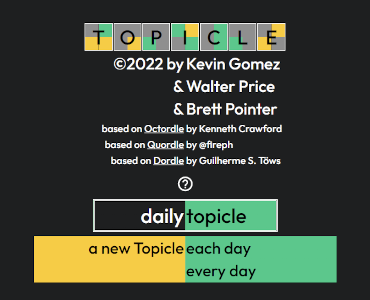
In 3rd Place, we have Topicle, created by kg583! Based on the popular word puzzle game Wordle, Topicle features four words which you must successfully guess, all relating to a central clue, or, as the name suggests, topic. Solving a puzzle is a fun workout for your brain, and when you’re done, you can even share your score with others to brag about your word skills (as many Cemetechians have done in the project thread)!
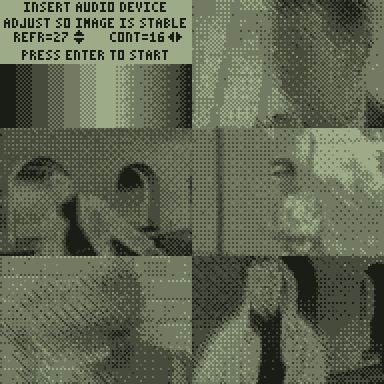
In 2nd Place, we have Ti-83+SE/84+(SE) Video + Audio Player, created by Crazy_Fox2! Unlike previous video or audio players for these calculators, this program is able to play video and audio simultaneously. According to the topic, the Silver Edition calculators can hold around 1 minute of video, while the non-Silver TI-84 Plus can hold around 20 seconds. The audio quality is equally impressive.
And last but not least, in 1st Place, getting over 50% of the votes, and taking the official title for Project of the Year 2023, we have Celtic CE by RoccoLox Programs! They have successfully created the first hook-based TI-BASIC library for the TI-84 Plus CE, which allows TI-BASIC programmers to use a number of graphical and utility operations which are not possible or extremely slow with vanilla TI-BASIC. It also features detailed and concise documentation, making it easy to work with despite the scale of the library. For a good idea of what Celtic can make possible, be sure to check out some of the other projects featured in the PotY.
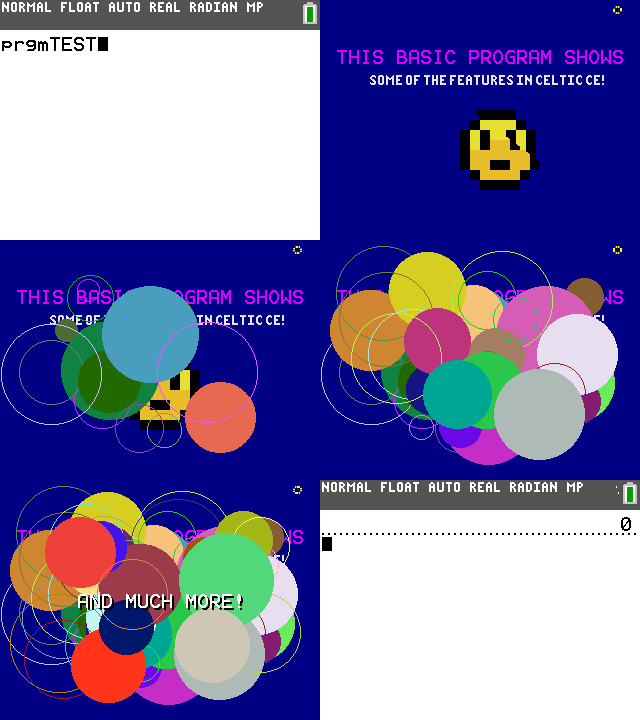
Thank you to all of our members that participated in the poll, and be sure to keep the great projects coming! Feel free to read more about all of the projects from Projects of the Year 2023 in this article.
Permalink
Advertisement